TL;DR: A lasting luxury landscape in Weston depends on more than plant selection. It takes specimen-grade stock, amended soil, correct planting depth and staking, and a dedicated establishment watering plan. When those four standards are right, the landscape matures exactly as designed instead of being replaced a few years later.
Weston homeowners expect their landscapes to look better in five years, not worse. Yet a luxury landscape plant installation in Weston can still disappoint when the work beneath the plants is rushed. A specimen palm that yellows by fall or a privacy hedge with gaps by its second summer rarely points to a bad design. It points to installation shortcuts. Here is what premium quality looks like below the surface.
What Separates a Luxury Plant Installation From a Standard One?
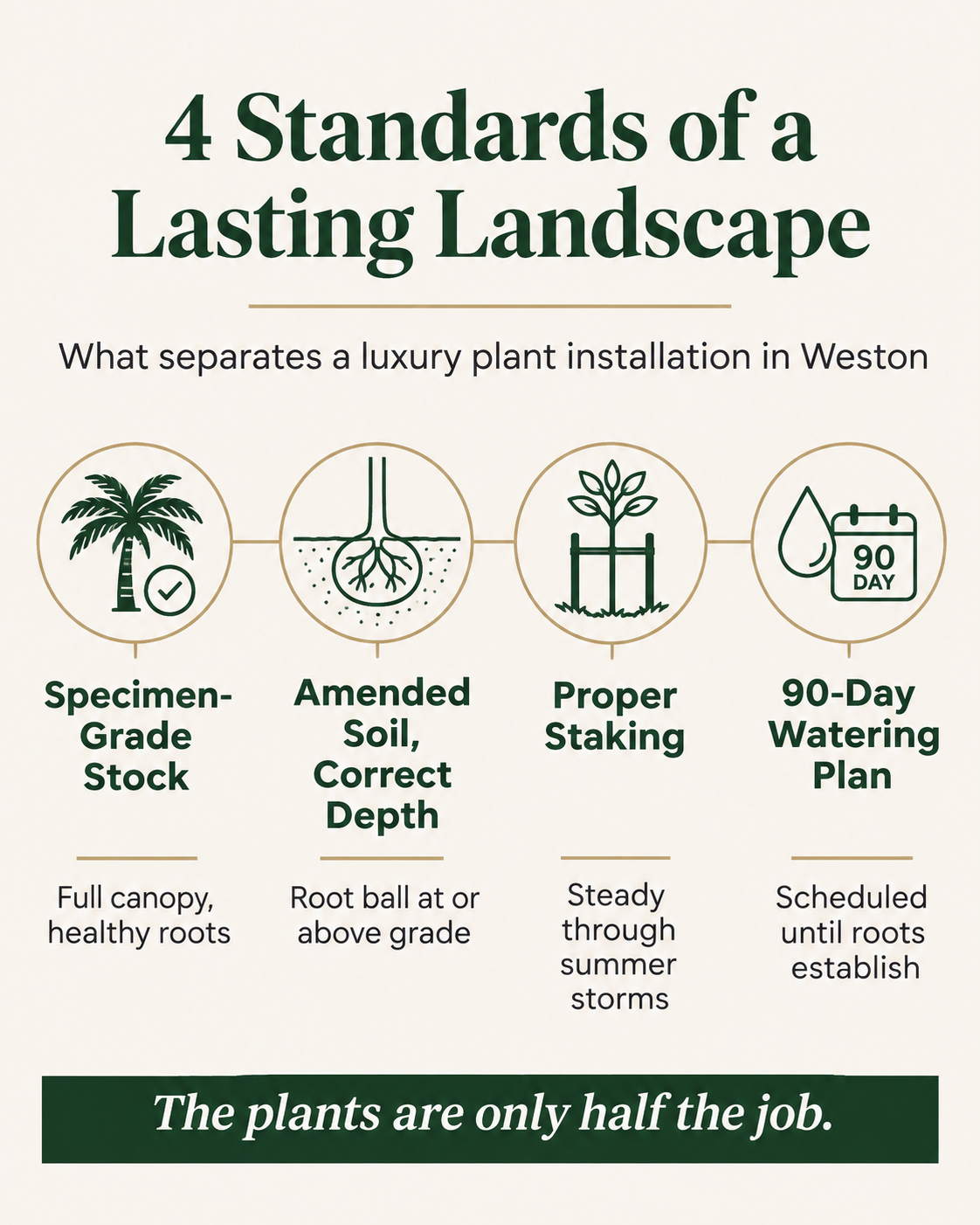
The difference is in the standards behind each plant: the grade you start with, how the soil is prepared, how it’s set and staked, and how it’s cared for during the first 90 days.
Two installations can share the same plant list and look nothing alike a year later. A standard crew delivers plants, digs holes and leaves. A luxury installation follows a documented plan for sourcing, soil, setting and aftercare.
In South Florida, where heat and summer storms expose shortcuts quickly, in-house craftsmanship matters. The same team that designs your landscape also plants and establishes it, so nothing gets lost between the drawing and the crew on site.
Plant Grade and Sourcing Set the Starting Point
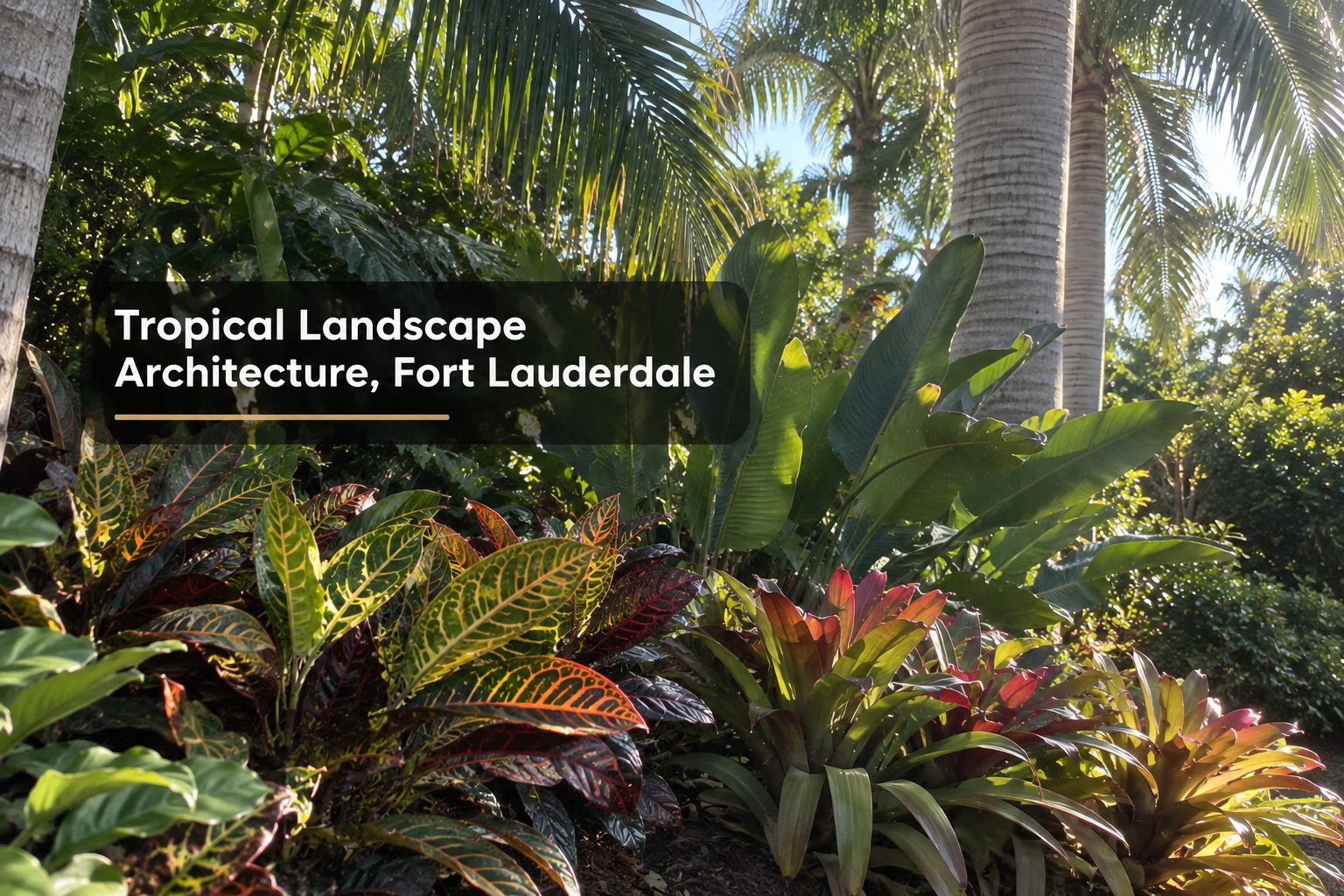
Premium installations start with top-grade nursery stock, which means full canopies, healthy roots and specimens acclimated to South Florida conditions.
Florida’s nursery grading system ranks plants by form and health, and Florida Fancy sits at the top. For specimen plant installation across Broward County, we inspect material at the nursery before it’s tagged, checking root balls, trunks and canopy balance. That standard applies to everything we plant, from groundcovers to specimen palms suited to South Florida backyards.
Sourcing also accounts for microclimate. A sun-baked lakefront lot in Weston calls for different selections than a shaded courtyard.
Soil Preparation and Planting Depth Protect the Investment
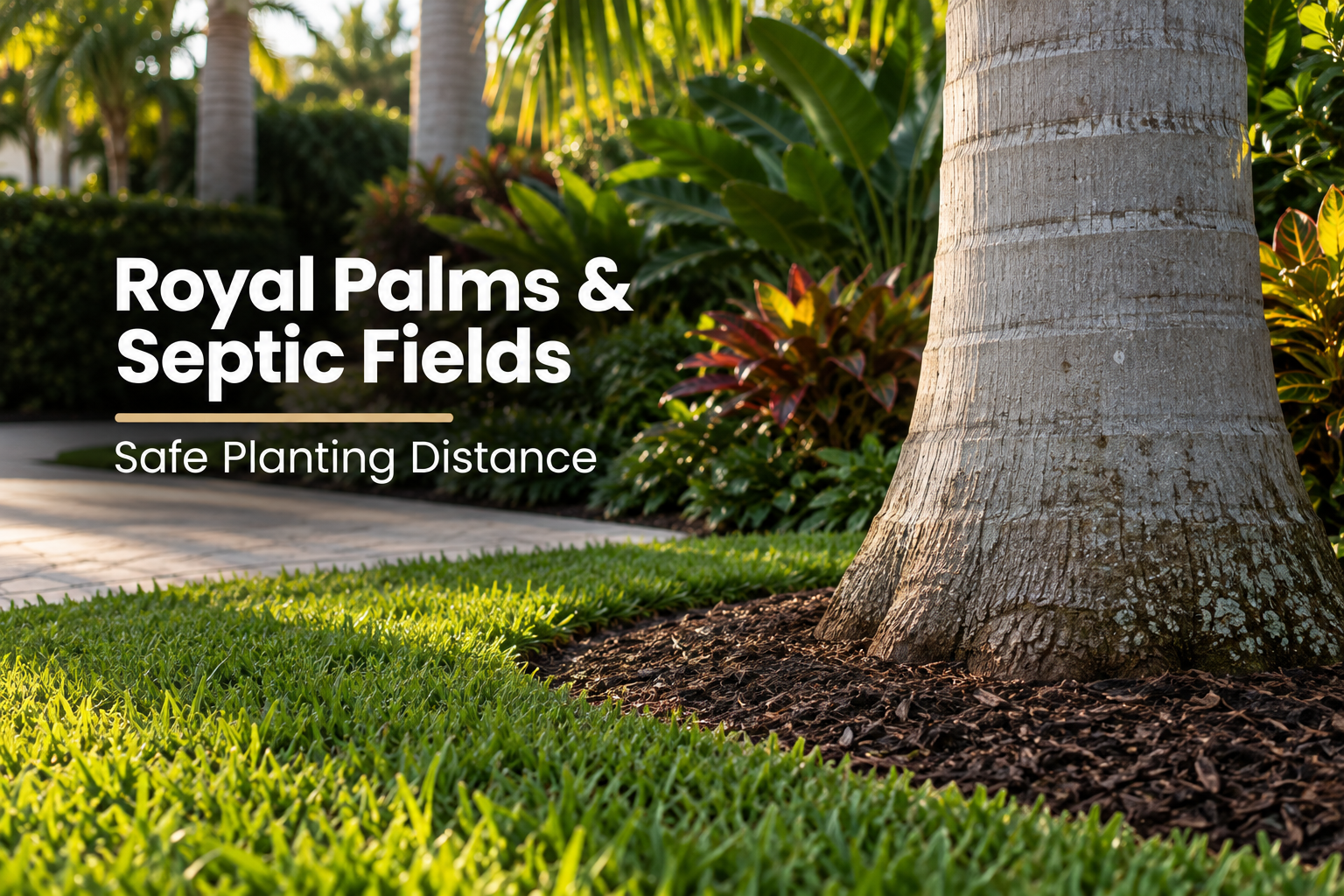
Weston’s sandy, alkaline soils need amendment, and every root ball must sit at the correct depth. Planting too deep is one of the most common causes of decline.
Much of Weston sits on fast-draining fill, so soil amendment with quality organic matter helps roots hold moisture and access nutrients through the dry season.
Planting depth is the detail most installers get wrong. The top of the root ball should sit level with or slightly above the surrounding grade, never buried. Proper staking follows, with soft ties that hold trees steady through summer storms and come off once the roots anchor. A 2 to 3 inch layer of mulch finishes each bed, pulled back from trunks.
The First 90 Days Decide Long-Term Success
New plantings need consistent, scheduled water while their roots establish, even through the rainy season. Irrigation zones are adjusted as plants mature.
Summer rain in Broward is uneven, and a dry week in July can stress a fresh palm as much as a dry spell in March. Establishment watering for a new landscape runs on a set schedule, frequent at first and tapering as roots grow into the surrounding soil. Each establishment irrigation visit includes moisture checks and zone adjustments.
“The plants are only half the job. I’ve seen beautiful specimens fail because nobody planned the first ninety days of water. We build that plan before a single plant leaves the nursery,” says Matt Patella, who brings 11 years of outdoor design and build experience to The Time Is Now Design and Build.
Establishment care is what allows a premium tropical design approach to fill in the way it was drawn.
Weston HOA Review Belongs at the Start of the Project
Most Weston communities require architectural review before planting, so the plant palette should be approved before anything is ordered.
Neighborhoods from Weston Hills to Savanna and The Ridges keep their own landscape guidelines, and many require a submittal with a site plan and plant list. Early review also avoids surprises, such as the species restrictions some local HOAs enforce.
Securing HOA landscape approval in Weston first protects your timeline. Our tree and plant installation team prepares HOA submittals as part of every Weston project, so approval moves alongside design instead of holding up planting.
Frequently Asked Questions
What plant sizes give a landscape a mature look right away?
Larger container sizes and field-grown specimens create an established look on day one, especially for focal palms and screening plants. The trade-off is a higher initial investment and closer establishment care. Most luxury designs mix sizes: larger for anchors and privacy, smaller for groundcovers that fill in quickly.
Do luxury plant installations come with a warranty?
Reputable installers offer a written plant warranty for a set period, typically tied to following the establishment watering plan. Ask what’s covered, how long it lasts, and what exclusions apply, such as storms or wildlife damage.
When is the best season to plant a new landscape in Weston?
Early rainy season, around late May through July, gives new plants natural moisture while roots establish. With a proper irrigation plan, planting succeeds year-round in South Florida. Dry-season installations simply lean harder on scheduled watering.
Plan Your Weston Landscape Installation
Start HOA review now to plant at the beginning of rainy season. A free landscape consultation includes a site walk, a plant palette built for your property and a complete installation plan with establishment care. Our in-house planting crew brings 11 years of South Florida installations to homes in Weston, Davie, Southwest Ranches and Parkland. A luxury landscape plant installation in Weston should look better every year, and it starts with the plan.